
Scylla & Charybdis
-
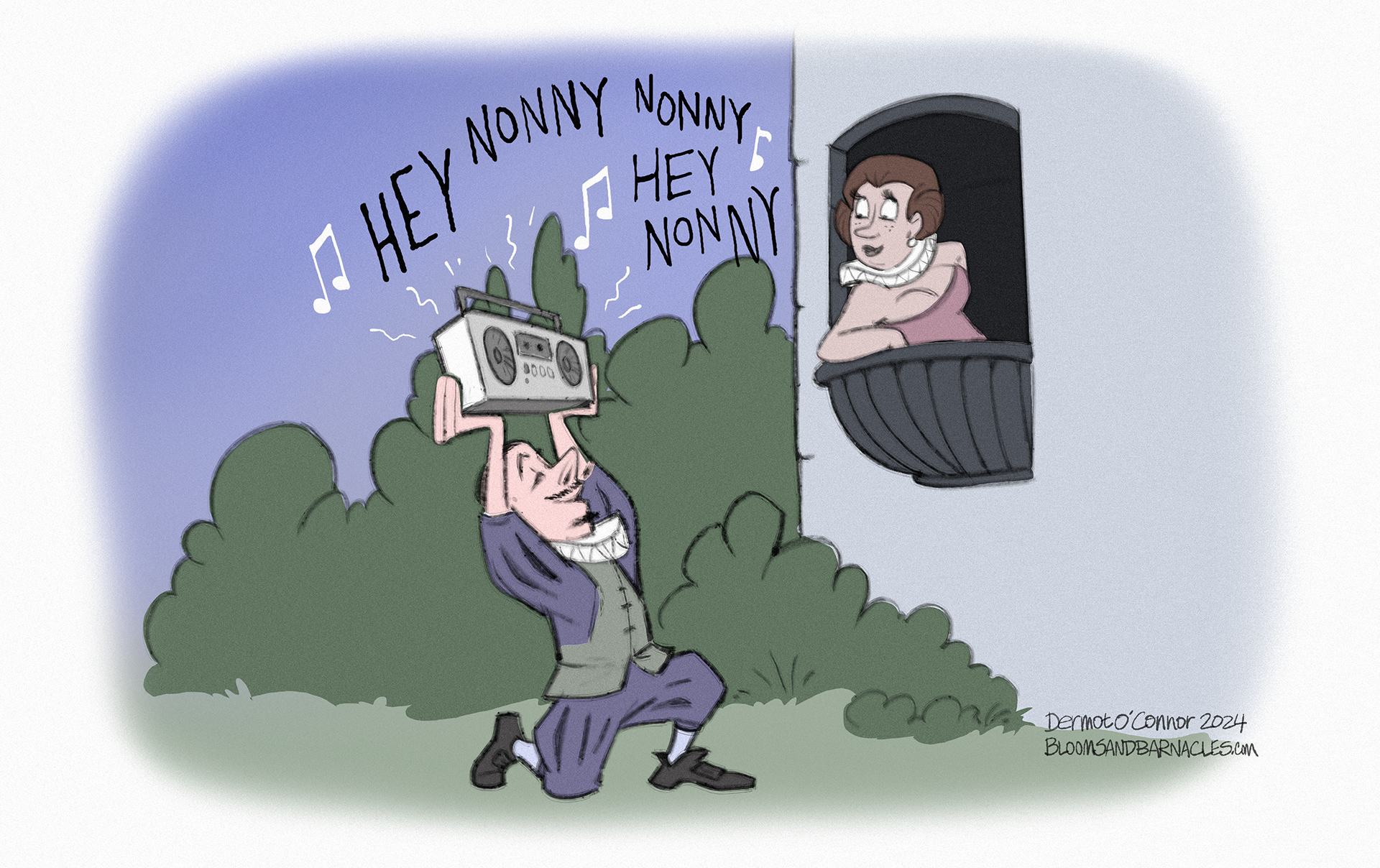
A Shakespearean Ghoststory Part 2: Anne Hath a Way
This is part two of a three part series about searching for real-life “ghosts” by prying into Shakespeare’s personal life. You can read part one here and part three here. In “Scylla and Charybdis”, Ulysses’ ninth episode, Stephen Dedalus’ idiosyncratic theory of Hamlet leans heavily on the purported influence of William Shakespeare’s wife, Anne. The…
-
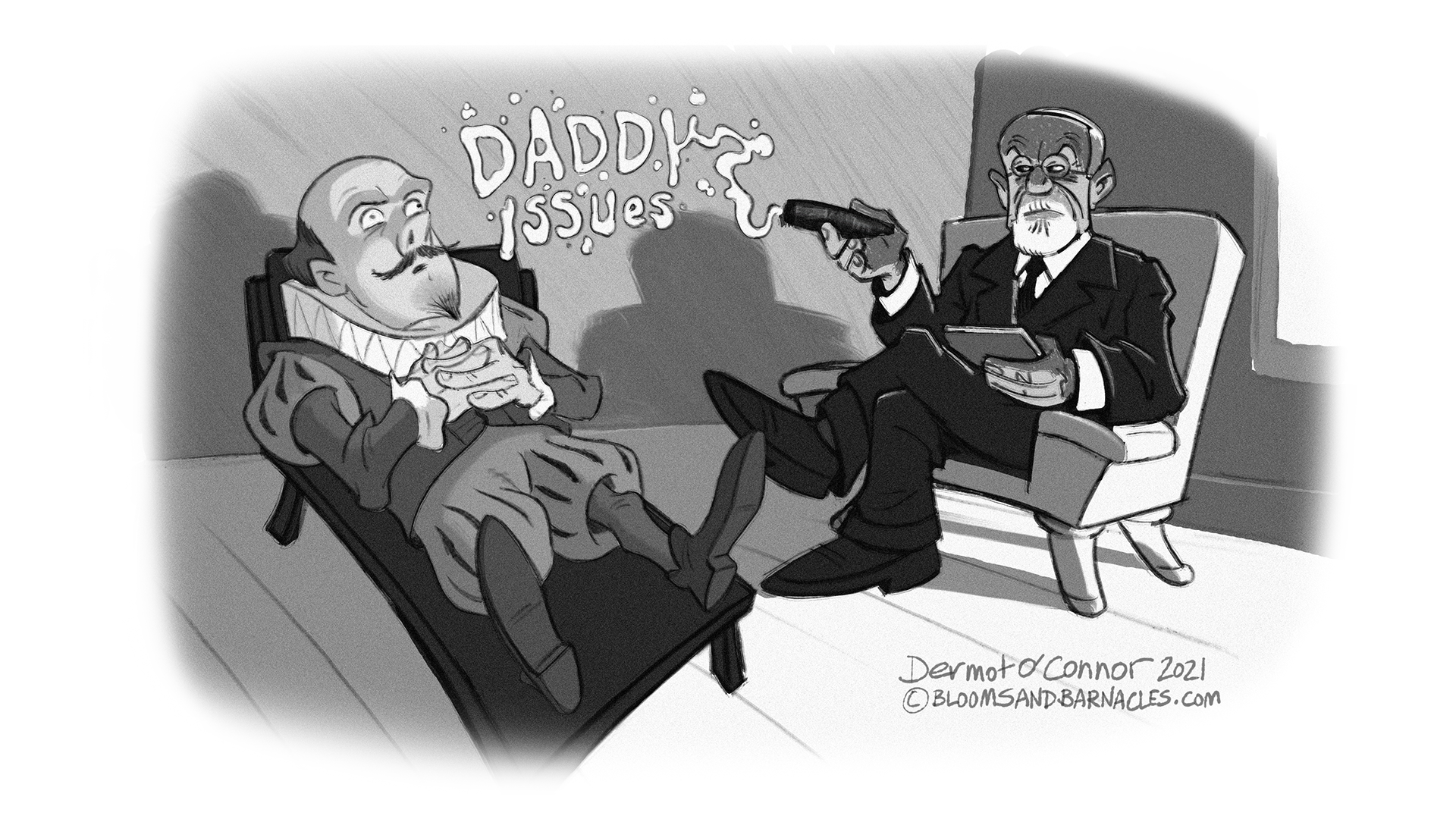
A Shakespearean Ghoststory Part 1: Hamnet Shakespeare
“—But this prying into the family life of a great man, Russell began impatiently.” This is part one of a three part post about searching for real-life “ghosts” by prying into Shakespeare’s personal life. You can read part two here and part three here. Who was the real Hamnet Shakespeare? Not much is known about…
-
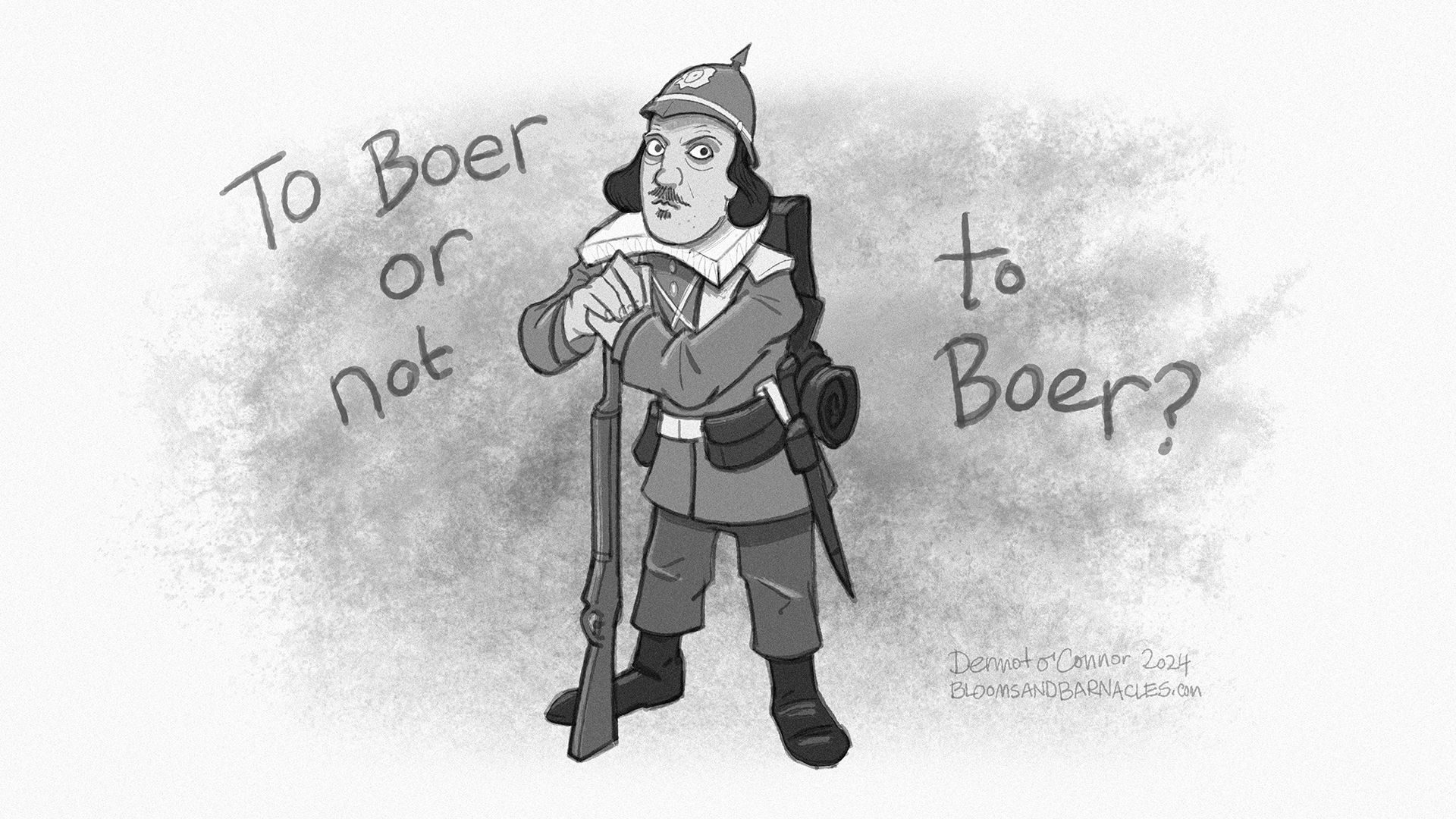
Decoding Dedalus: Hamlet, ou le Absentminded Beggar
This is a post in a series called Decoding Dedalus where I take a passage of Ulysses and break it down line by line. The line below comes from “Scylla and Charybdis,” the ninth episode of Ulysses. It appears on page p. 186-187 in my copy (1990 Vintage International). We’ll be looking at the passage…
-
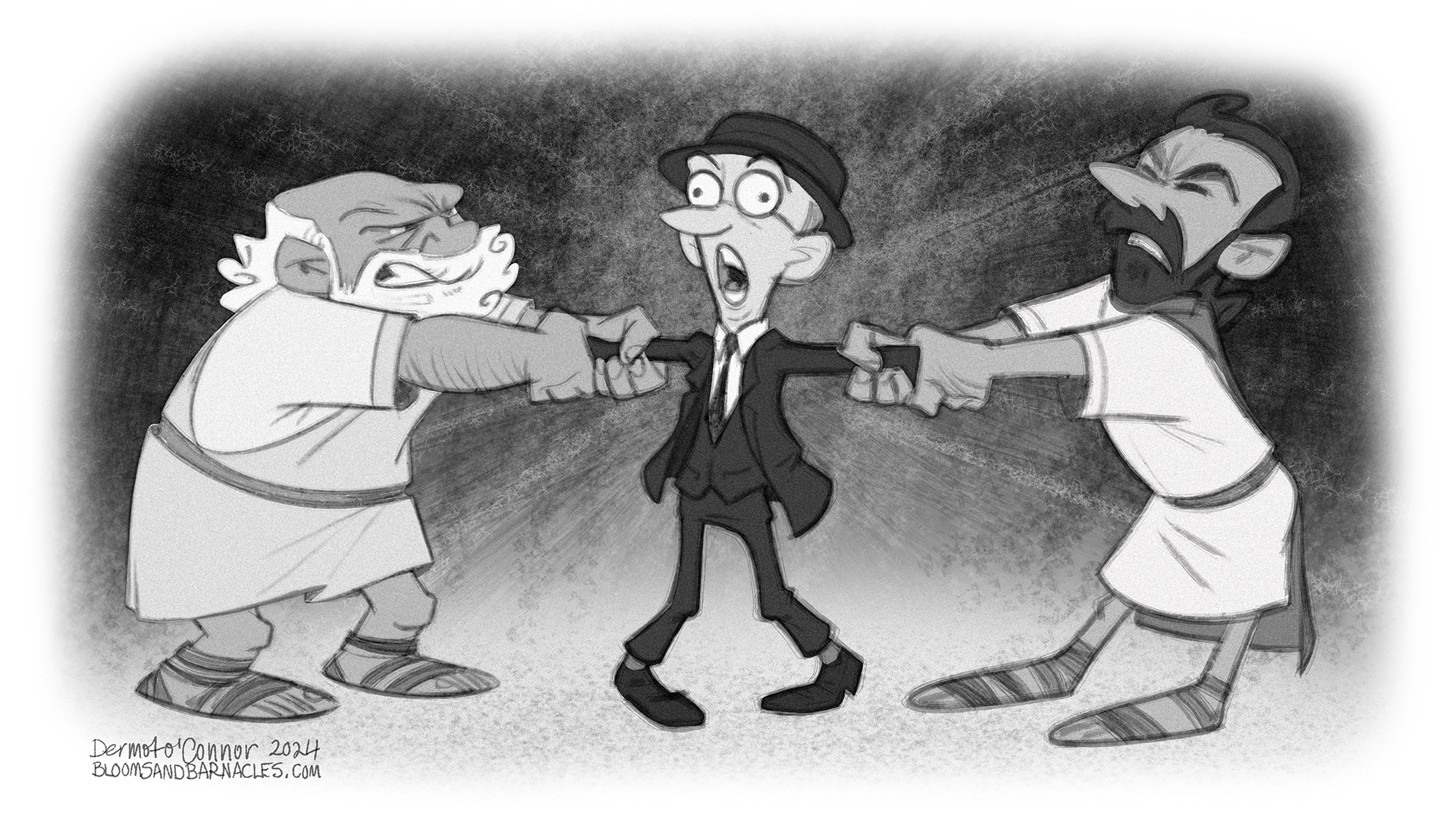
Decoding Dedalus: Horseness is the whatness of allhorse.
“Stephen disdains the subtle resuscitation of the Victorian bardolatry in the Revival’s aspiration to model the creation of Irish national culture on the use of Shakespeare for British national consolidation. Both efforts, to him, are grounded in the almost religious glorification of the poet.” – Irina D. Rasmussen, “Riffing on Shakespeare: James Joyce, Stephen Dedalus,…
-
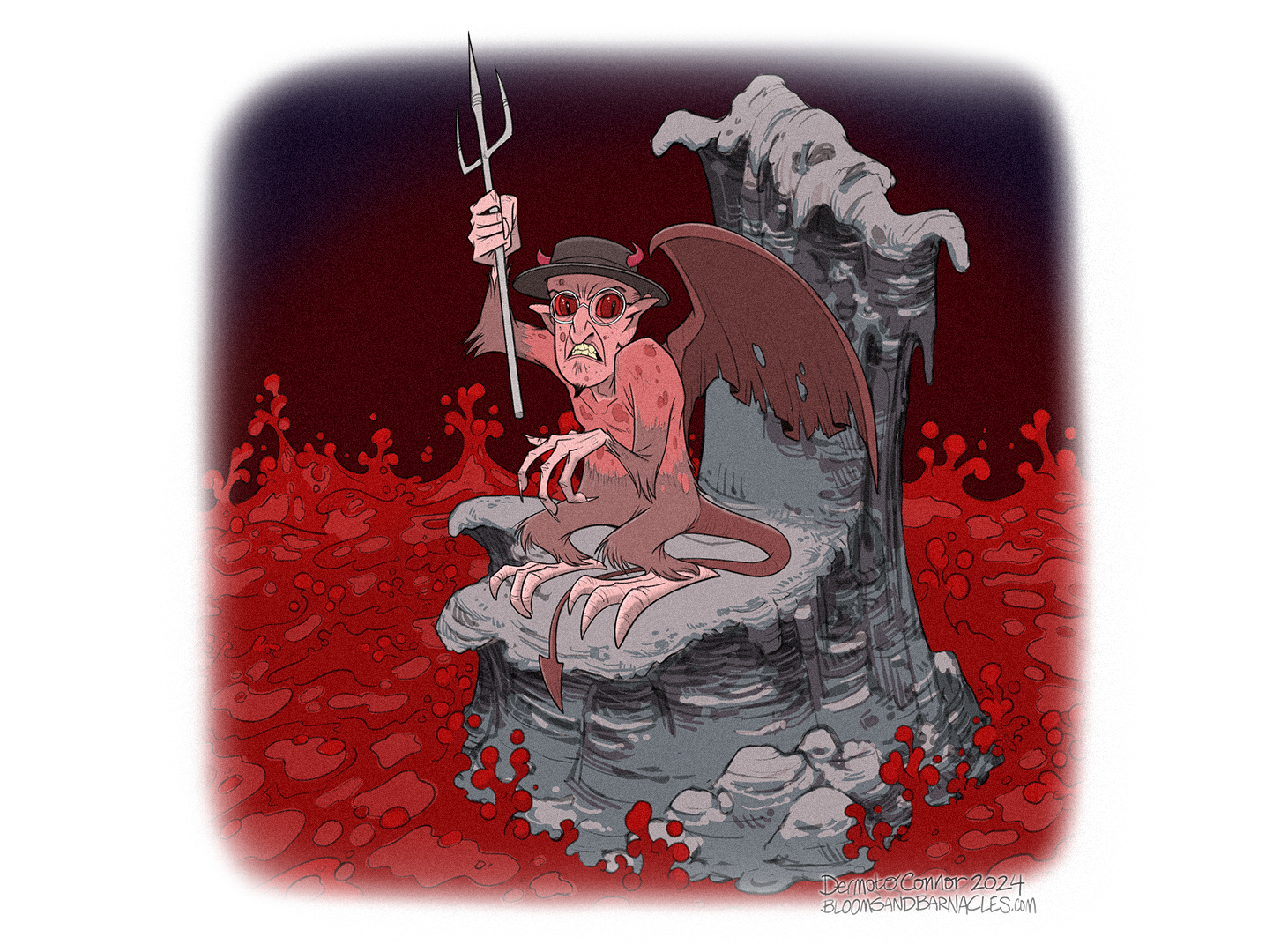
Decoding Dedalus: Folly. Persist.
This is a post in a series called Decoding Dedalus where I take a passage of Ulysses and break it down line by line. The line below comes from “Scylla and Charybdis,” the ninth episode of Ulysses. It appears on page p. 184-185 in my copy (1990 Vintage International). We’ll be looking at the passage…
-
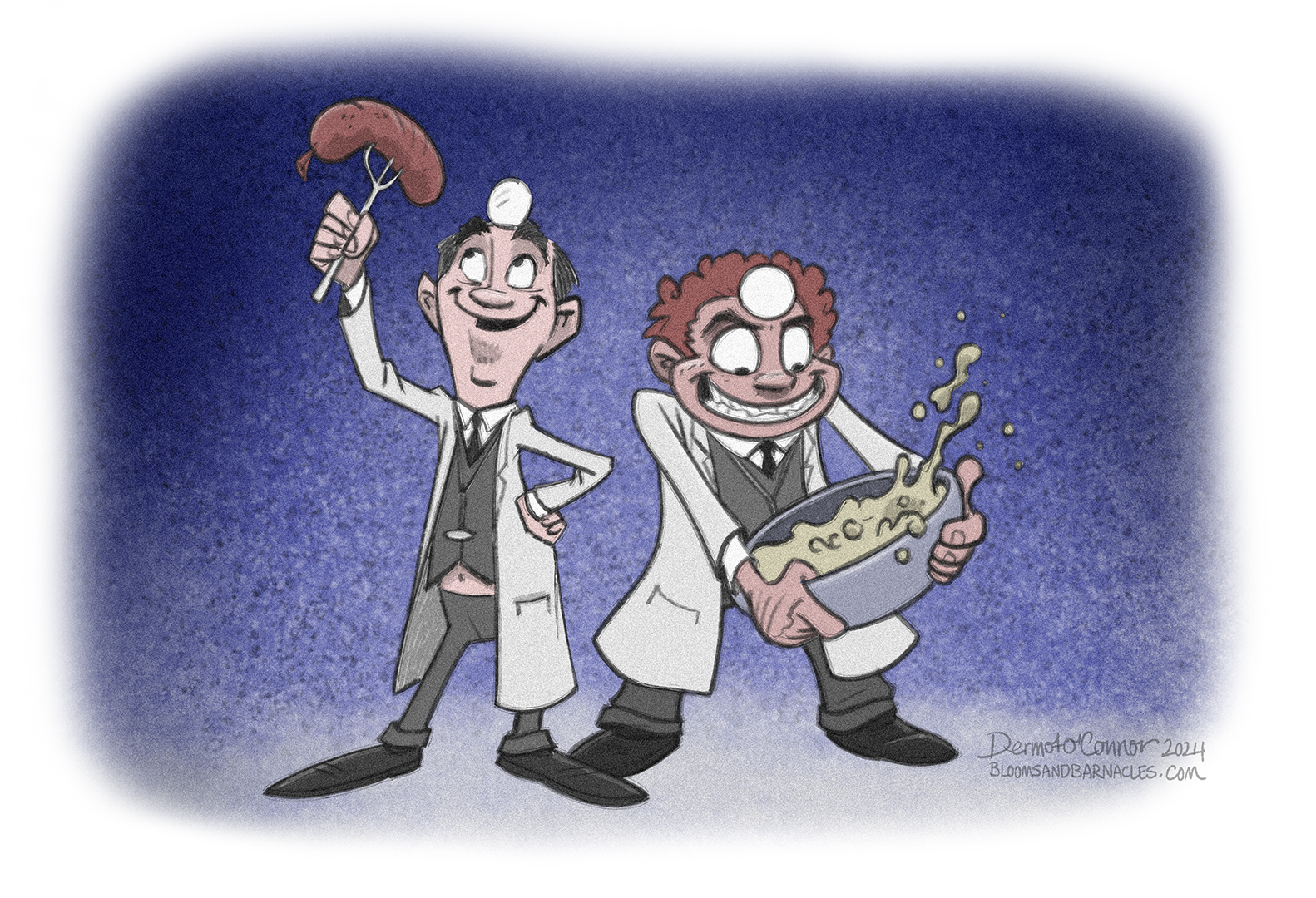
Poetry in Ulysses: Medical Dick and Medical Davy
In the opening scene of “Scylla and Charybdis,” Ulysses’ ninth episode, our Hero-Artist Stephen Dedalus finds himself in the librarian’s office of the National Library in a flurry of literary repartee. The other men in the scene, Lyster and John Eglinton, chat and banter, while Stephen tosses in a few snarky comments. Eglinton lobs back:…
-
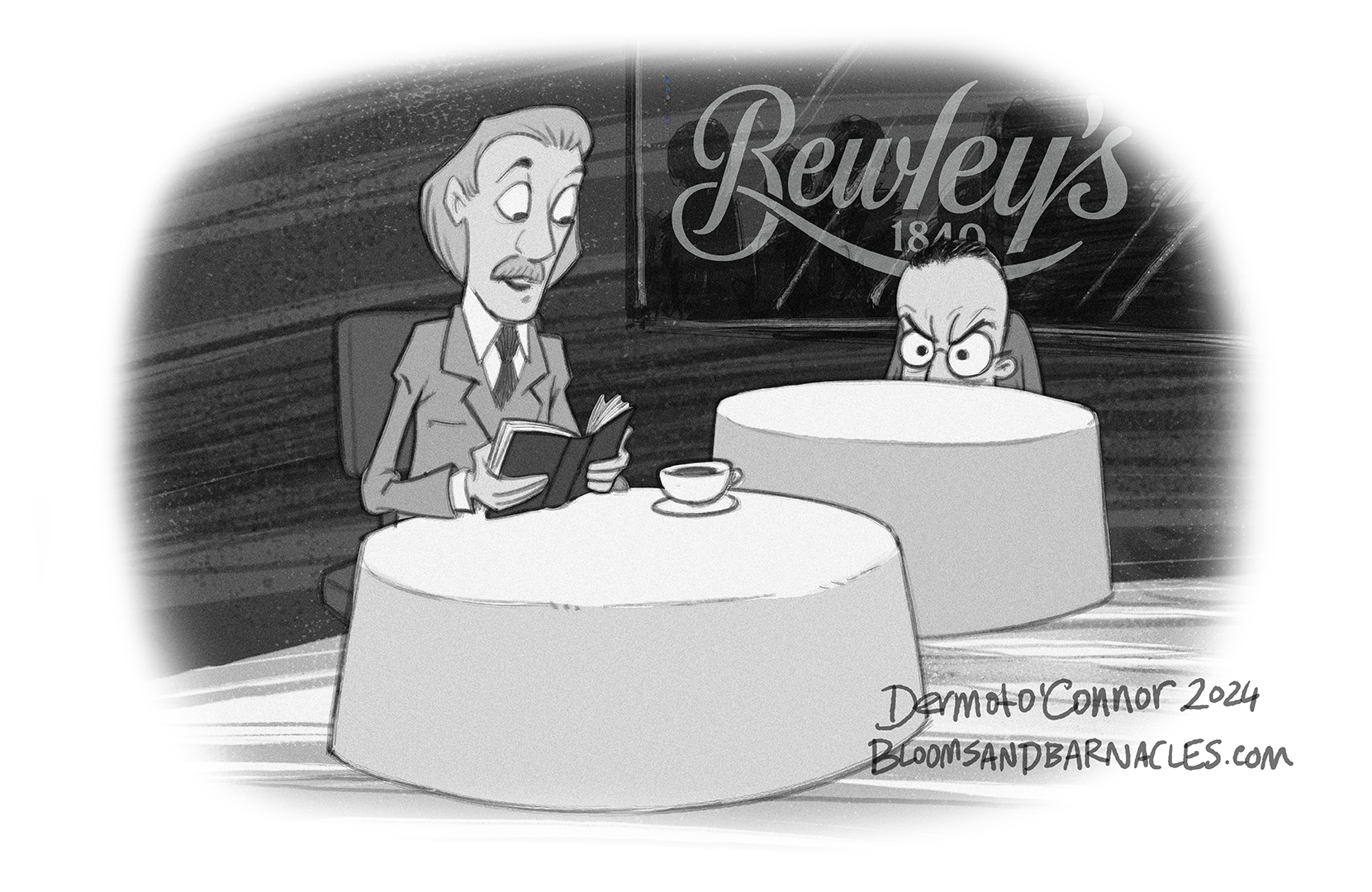
Who Were the Real Men in the Library from “Scylla and Charybdis”?
This post is a part of an occasional series on the real people behind the characters in Ulysses. Ulysses’ ninth episode, “Scylla and Charybdis” centers Stephen Dedalus’ heroic defense of his theory on Hamlet in the National Library, pitting our young Artist against several of Dublin’s literary elite, including Æ Russell, Richard Best and John…
-
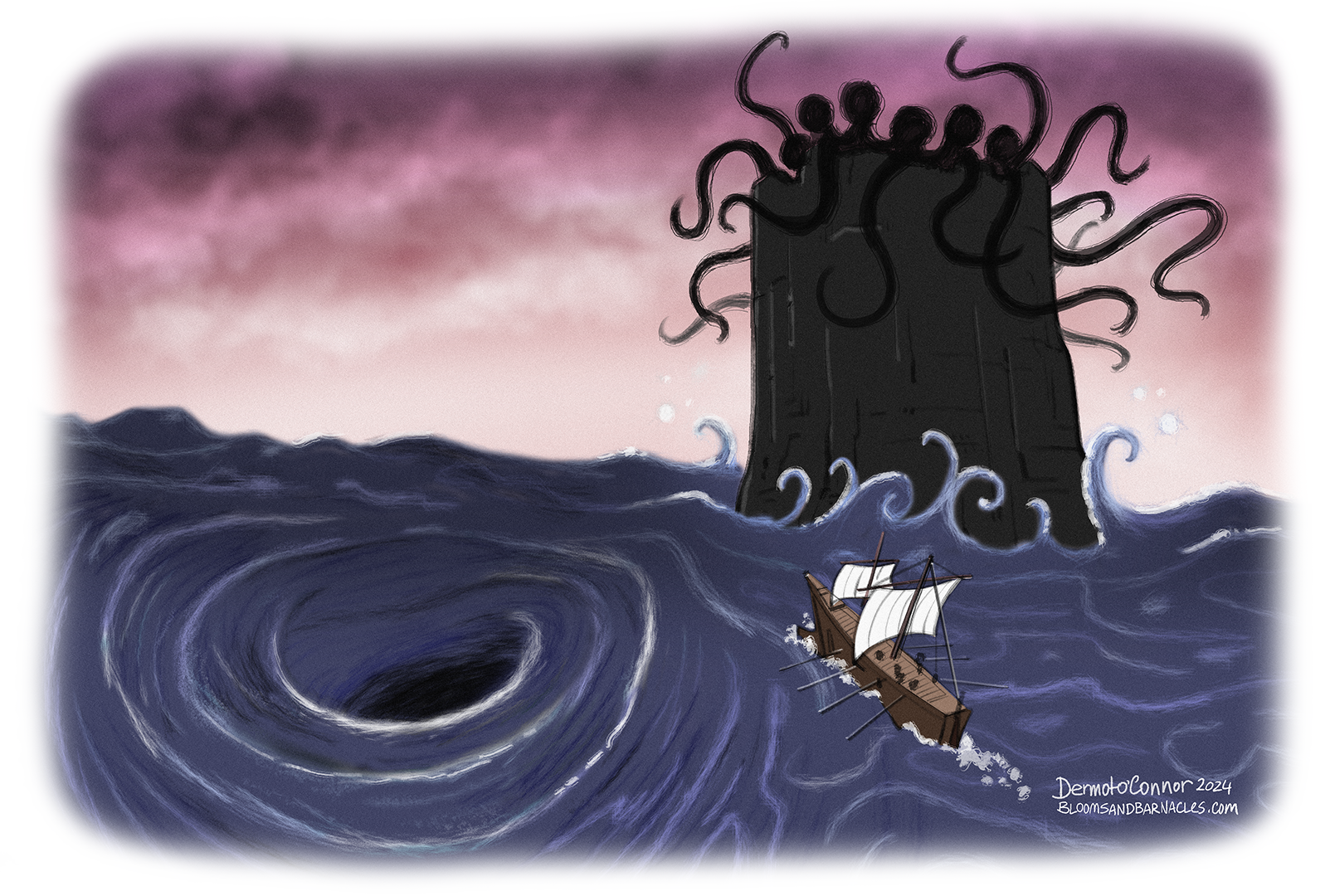
Ulysses & The Odyssey: Scylla & Charybdis
The Odyssey – Book XII After departing the Underworld, Odysseus and his remaining crew set sail once more, leaving Circe’s isle and passing the land of the Sirens without incident. They must next sail their ship between the twin horrors of Scylla and Charybdis. Circe advised Odysseus to steer close to the Wandering Rocks, home…
-
The Word Known to All Men
To listen to a discussion of this topic, check out the podcast episode here. “Touch me. Soft eyes. Soft soft soft hand. I am lonely here. O, touch me soon, now. What is that word known to all men? I am quiet here alone. Sad too. Touch, touch me.” The lines above appear towards the…
-
Decoding Dedalus: Signs on a White Field
“Actuality and the material world demand a winnowing down of facts to one linear story which serves one party, is the shout of the victor. In Ulysses, the human form is allowed to be infinite; no fact is considered unhistorical, no victory will be dismissed as pyrrhic. Everything is included because Ulysses is the epic…