
Stephen Dedalus
-
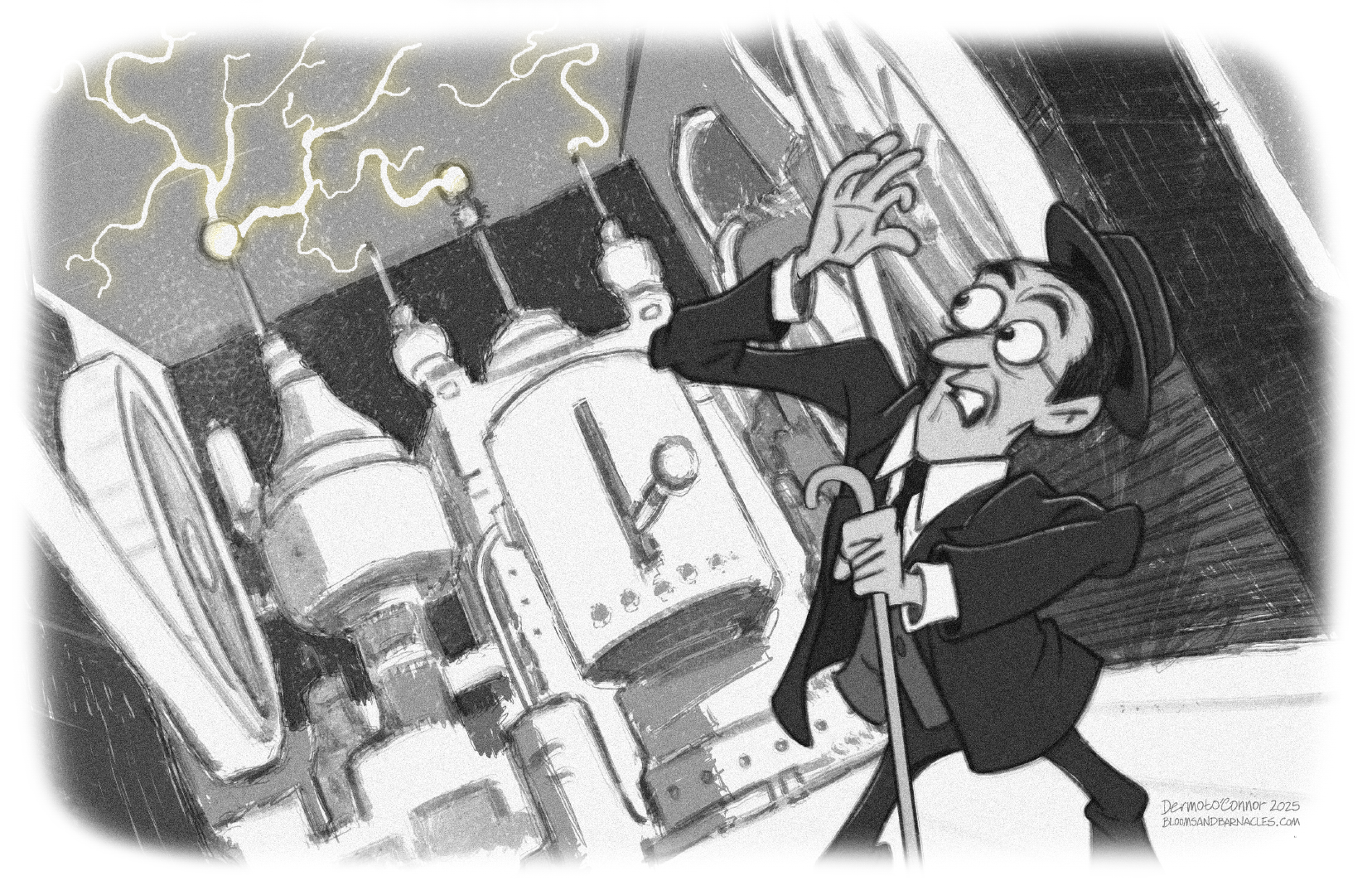
Stephen Dynamo
In the thirteenth section of “Wandering Rocks,” Ulysses’ tenth episode, we meet Stephen Dedalus once again, gazing into the window of Old Russell the lapidarist. We last saw Stephen descending the stairs of the National Library with Buck Mulligan in “Scylla and Charybdis,” seeking augury from absentee birds. Mulligan is meeting Haines at the DBC…
-
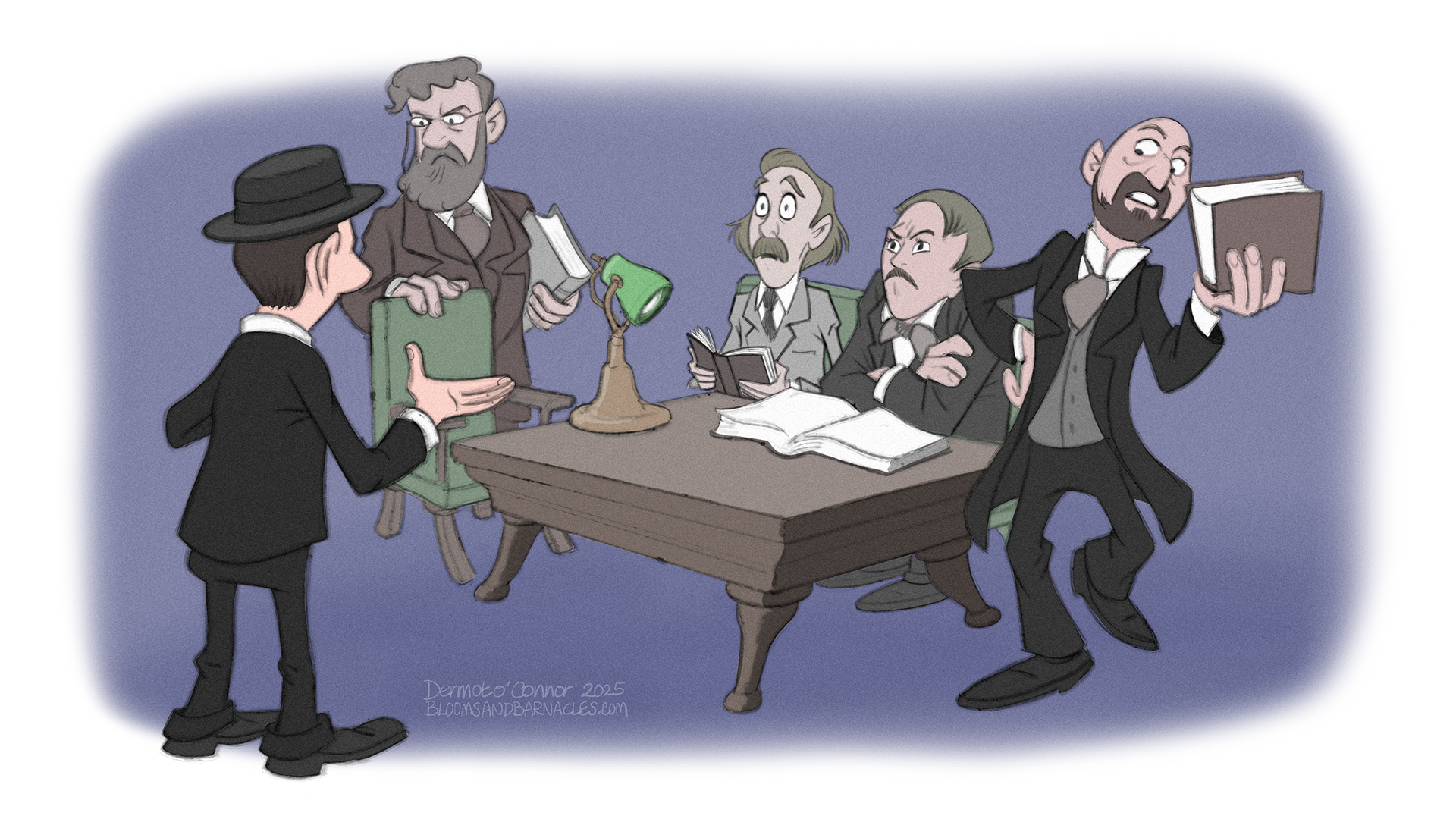
Ep. 163 – The Spirit of Reconciliation
Bitches love sonnets. Topics in this episode include putting Beurla on it, basilisks and 13th century bestiaries, Pericles and purported Shakespeare apocrypha, the Baconian theory of Shakespeare authorship, Bacon ciphers, George Brandes, Sidney, Frank Harris, the power of a granddaughter’s love, Hans Walter Gabler and the most controversial line in Ulysses, Thomas Aquinas, George Bernard…
-
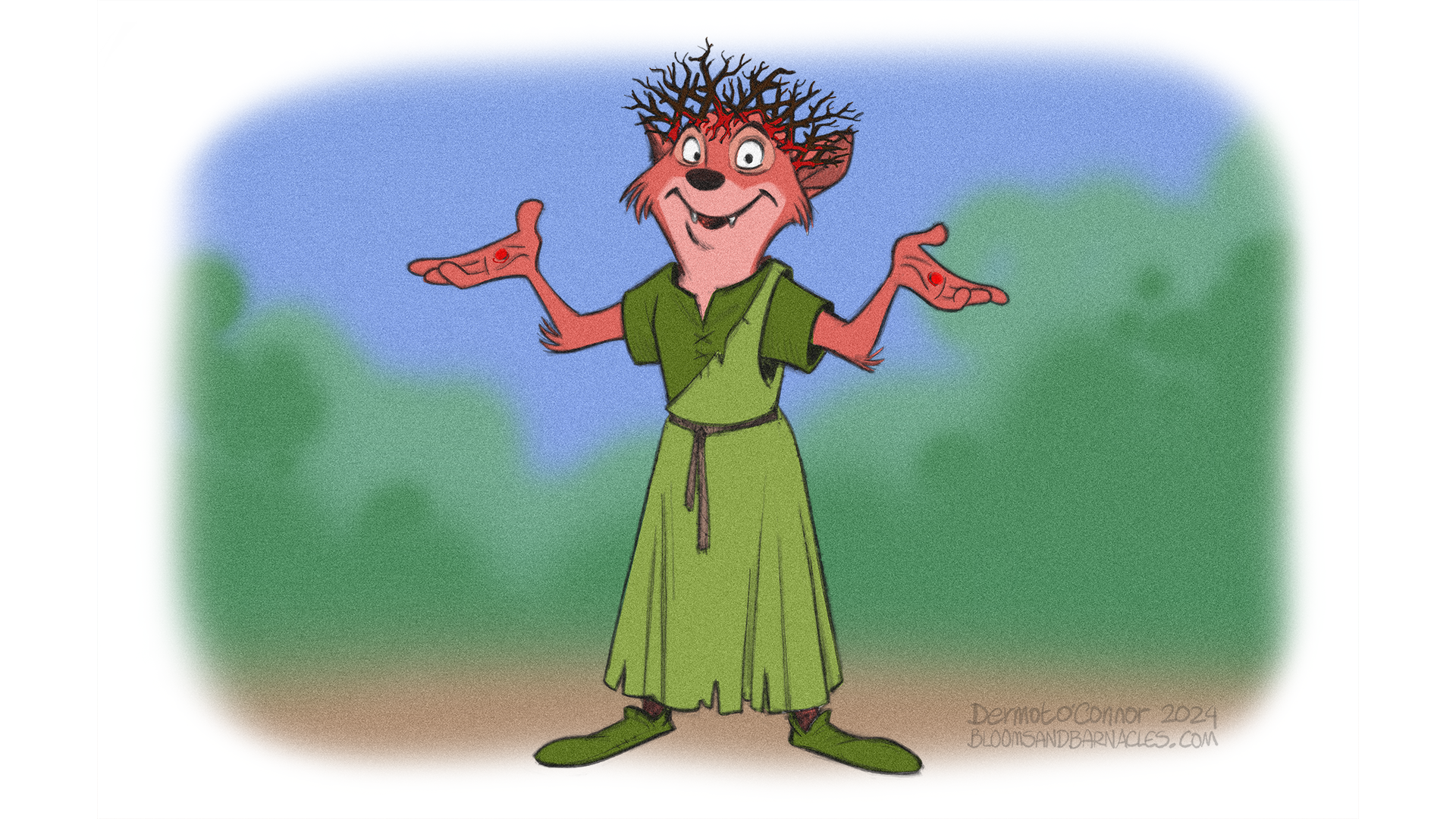
Ep. 162 – Quaker Librarian
I, for one, think geese really do have souls. Topics in this episode include librarian Thomas Lyster and his Quaker faith, why Lyster always seems to be dancing in “Scylla and Charybdis,” the journal of Quaker founder George Fox, what James Joyce knew about the Quakerism, Christfox, leather trews, confusing Shakespeare and George Fox in…
-
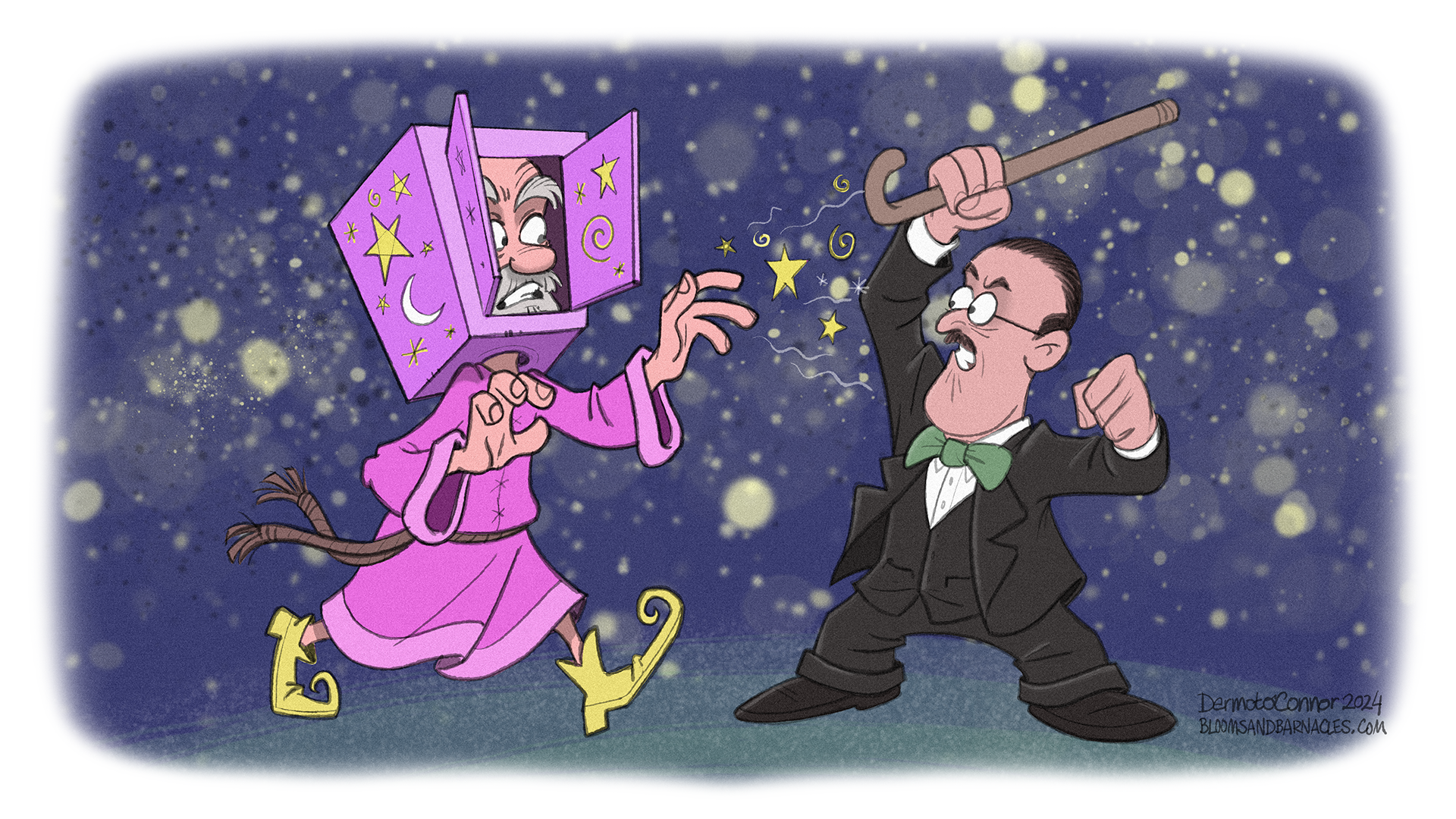
Ep. 161 – Yogibogeybox
We finally learn the weirdest thing that Joyce and Gogarty got up to. Topics in this episode include Giacomo Joyce and dirty love letters, the pain of not being invited, Æ’s New Songs and Joyce’s exclusion from it, why Æ Russell hasn’t released any new songs this year, Aristotle’s experiment, the meaning of nookshotten, Shakespeare…
-
Ep. 160: Anne Hath A Way
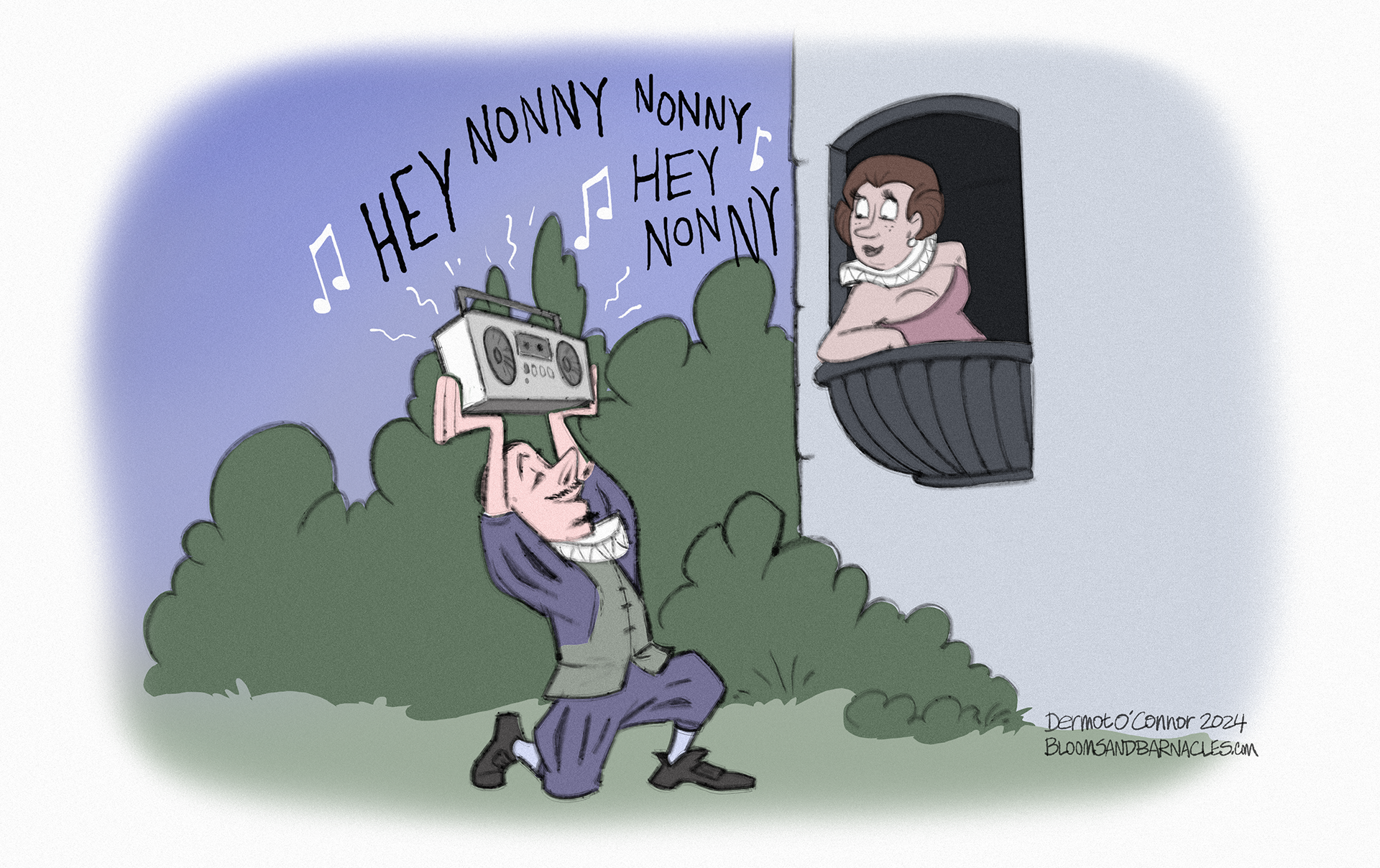
No, not that Anne Hathaway. The Shakespeare one. Topics in this episode include Socratididion’s Epipsychidion, unparalleled pettiness, Stephen’s unfair characterization of Shakespeare’s wife Anne Hathaway, why commentary about Anne Hathaway has been so problematic historically, Anne as a Gertrude stand-in, how we can learn factual information about the Shakespeares’ lives, sixteenth century age gap discourse,…
-
Ep. 159: AEIOU
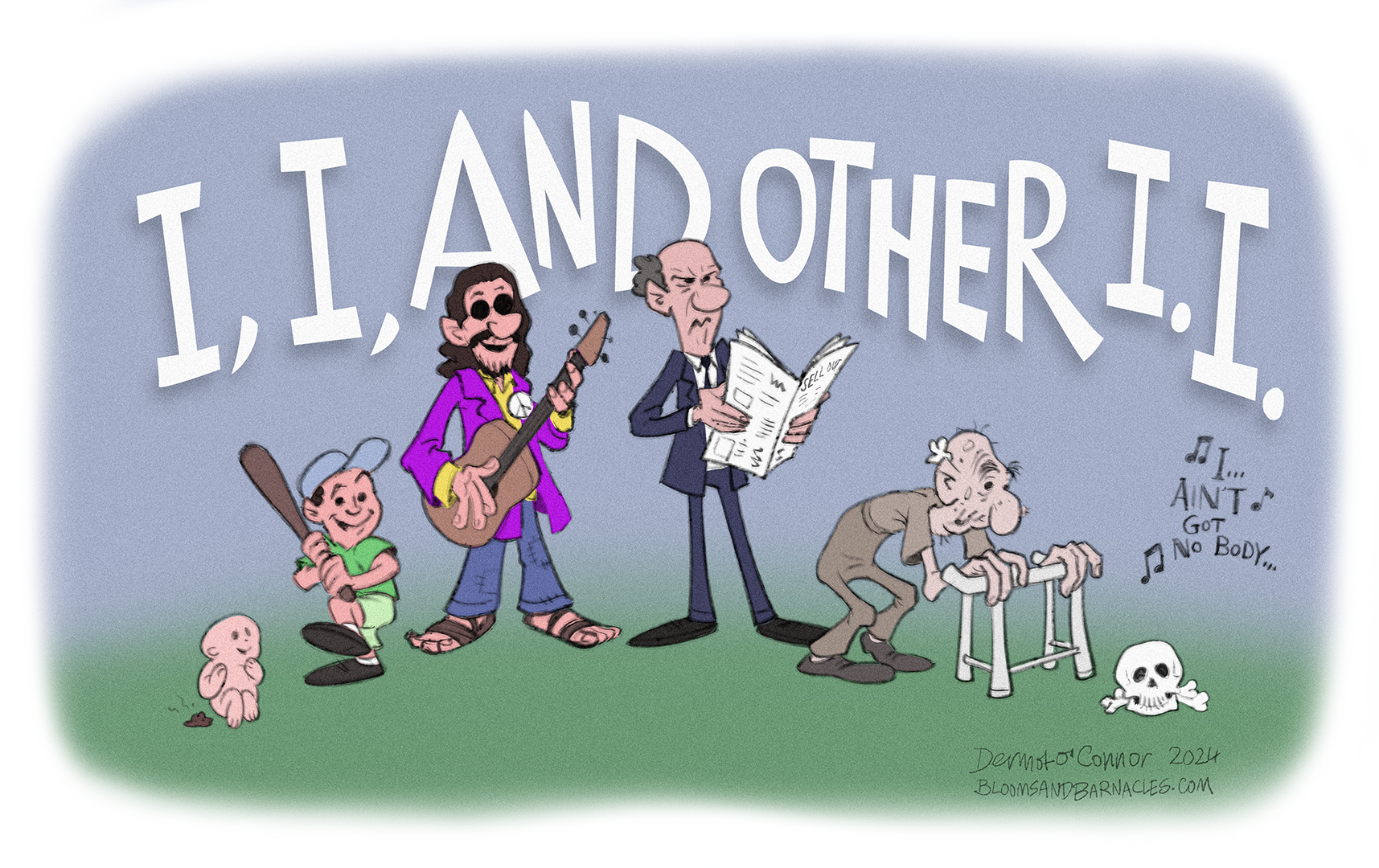
Stephen Dedalus beats debt with this one simple trick! Topics incluce: “Scylla and Charybdis’” dialectic as metacommentary on Ulysses as a whole, the perils of offending the gods of the sea, Stephen takes offense to Æ, Stephen’s many debts, the artistic value of green room gossip, contrasting Æ and Mr. Deasy, Stephen as the ship…
-
Who was the real Almidano Artifoni?
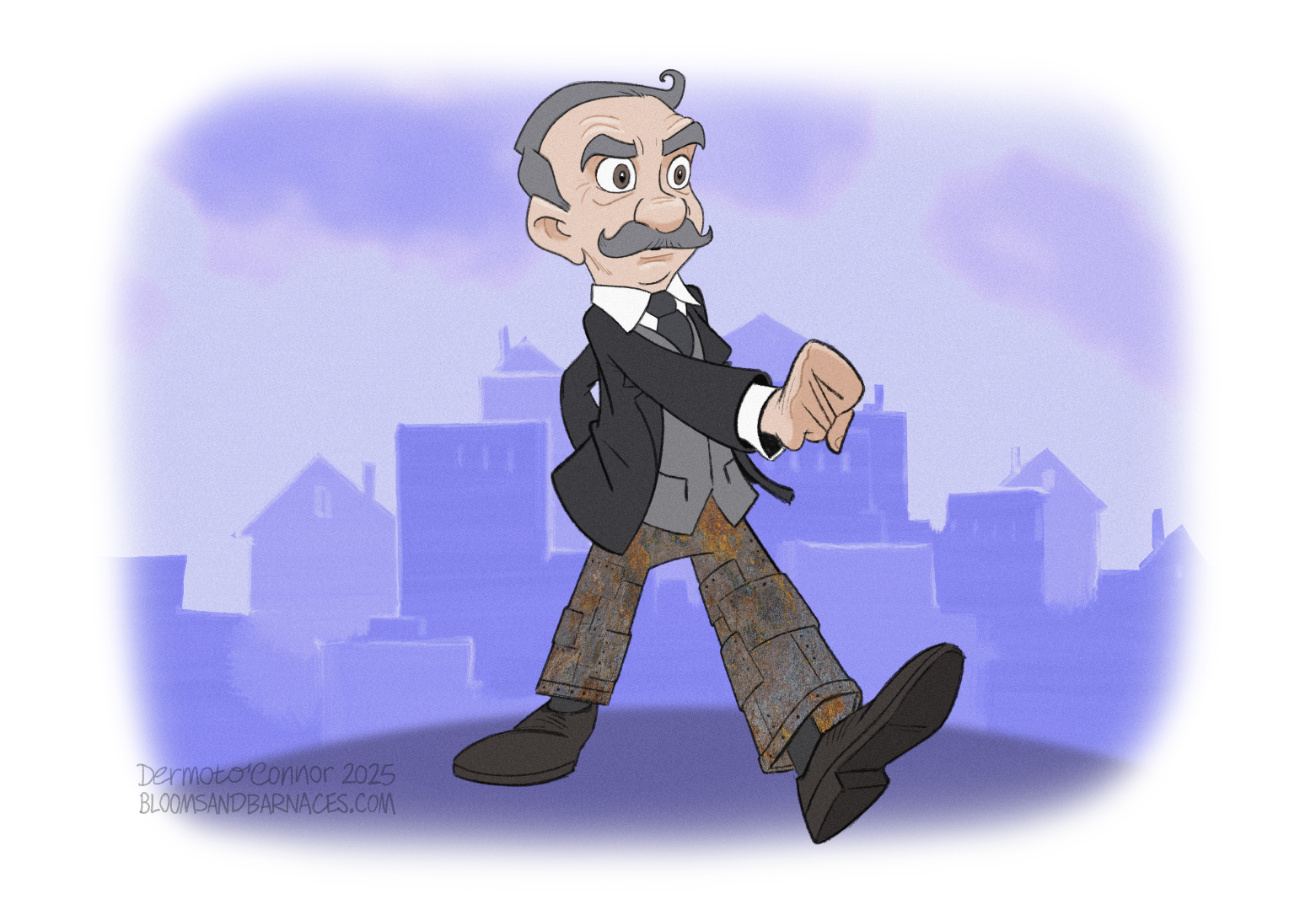
This post is a part of an occasional series on the real people behind the characters in Ulysses. In the sixth vignette of Ulysses’ tenth episode, “Wandering Rocks,” we see Stephen Dedalus chatting with Almidano Artifoni, a music maestro with comically starchy trousers. Their conversation is written entirely in untranslated Italian, so if, like me,…
-
Ep. 158 – Hamnet
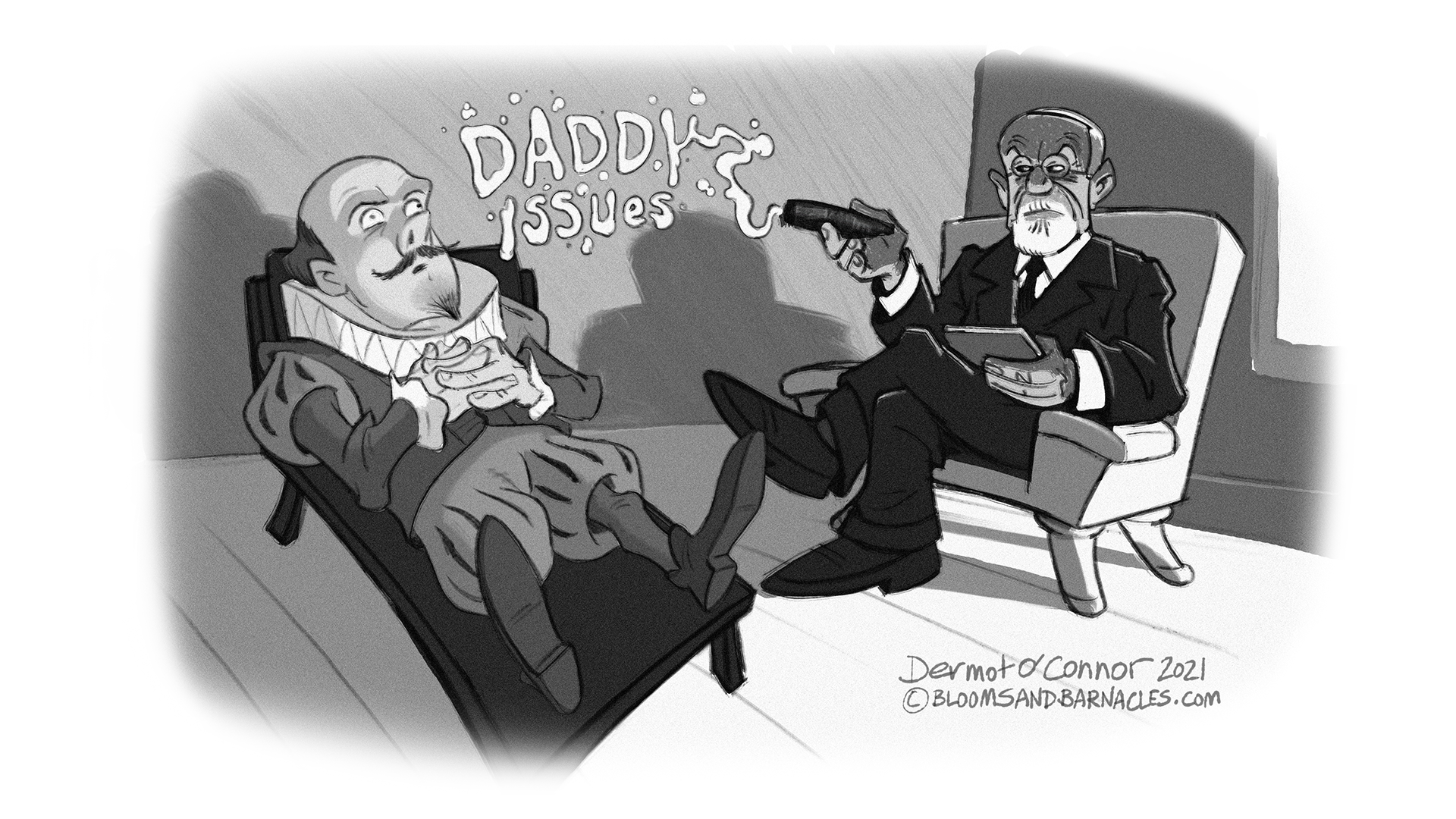
Stephen Dedalus finally gets to the fireworks factory. Topics in this episode include lots of Hamlet, Stephen introduces his theory of Hamlet, James Joyce’s Shakespeare sources, Elizabethan slang, Sackerson the bear, everything we know about the real Hamnet Shakespeare, Shakespeare’s reaction to his son’s death, how Hamnet’s death shows up in the works of Shakespeare,…
-
Ep. 157 – The Absentminded Beggar
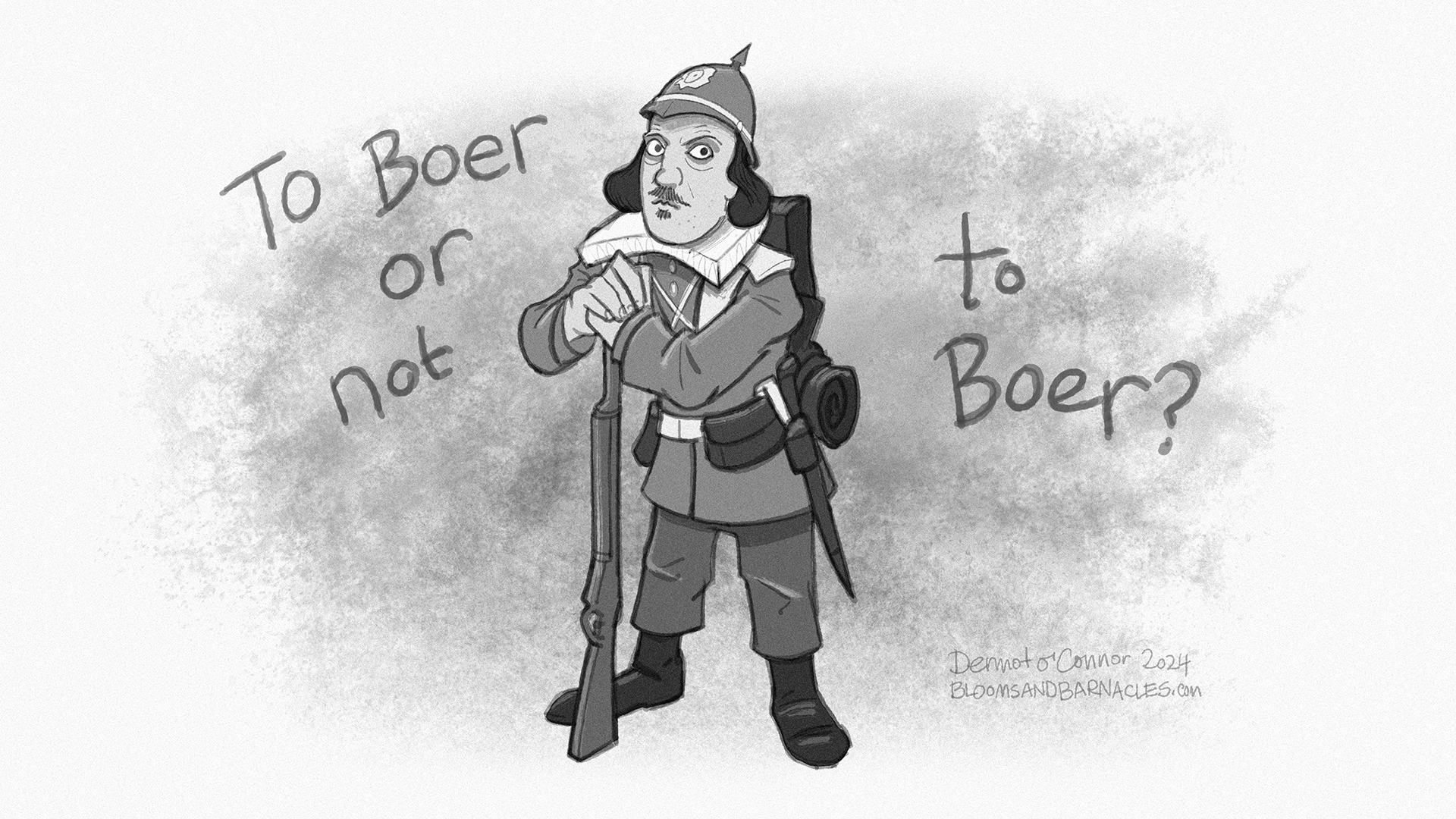
Was Hamlet just distracted the whole time? Topics in this episode include: the continued character assassination of Mr. Best, Haines makes a return, Douglas Hyde’s poetry, the artistic ethos of the Celtic Revival, the political demands of the art scene in 1904 Dublin, Æ, symbolist poetry and Stéphane Mallarmé, the influence of Mallarmé on Joyce,…
-
Ep. 156 – Horseness is the Whatness of Allhorse
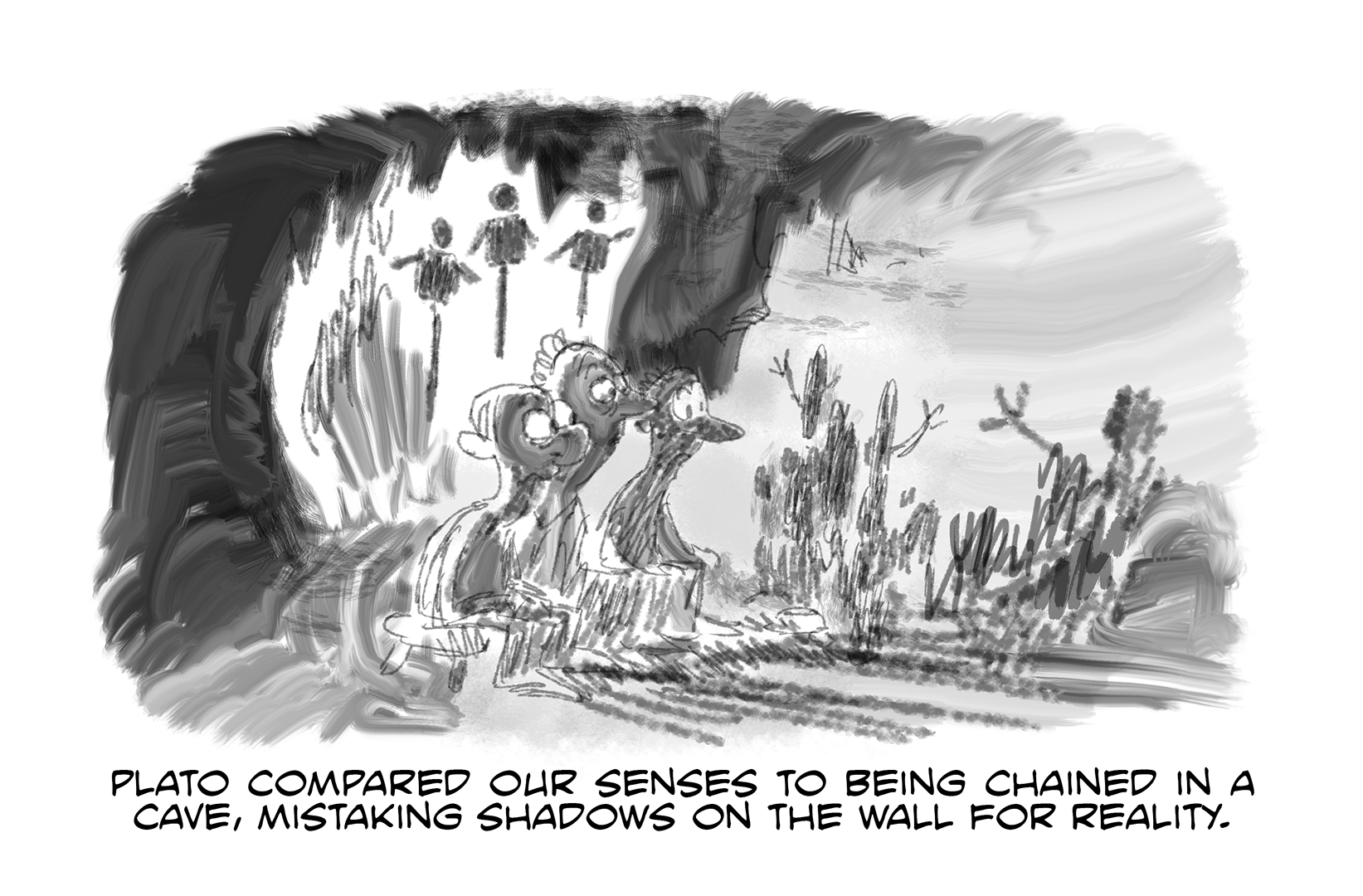
Are you Team Aristotle or Team Plato? Topics in this episode include Charybdis, schoolboys and schoolmen, whether or not Plato was shallow, artists being rejected by Plato’s Republic, platonism v. neoplatonism, Aristotle’s view of art, Stephen’s dagger definitions, the Plato and Antisthenes’ thoughts on horses, horse v. horseness, Plato’s Forms, the ineluctable modality of the…