
Poetry and Music in Ul…
-
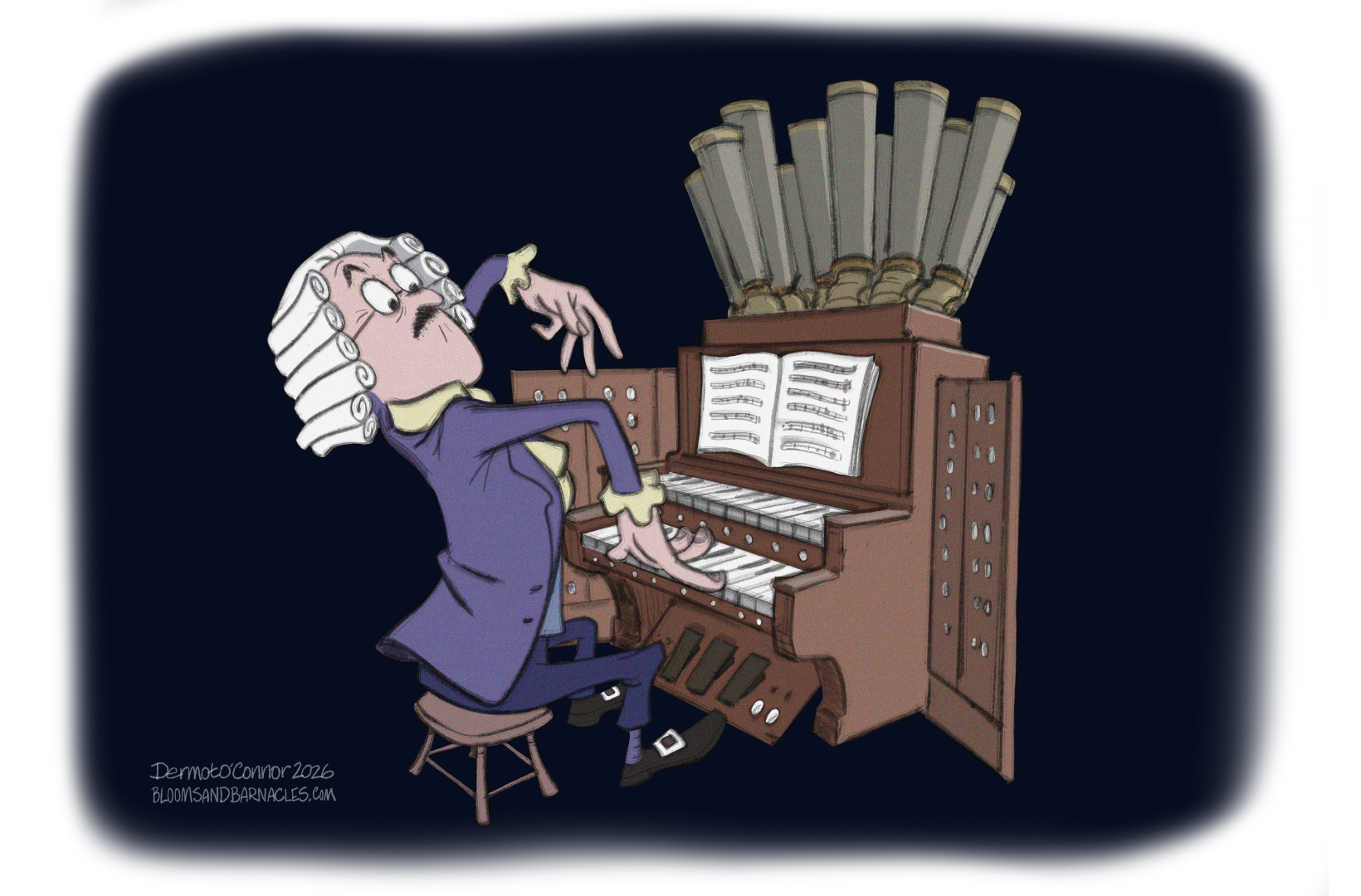
Fuga Per Canonem
“Since exploring the resources and artifices of music and employing them in this chapter, I haven’t cared for music any more. I, the great friend of music, can no longer listen to it. I see through all the tricks and can’t enjoy it any more.” – James Joyce, 1919 Joyce’s ambition for “Sirens,” the eleventh…
-
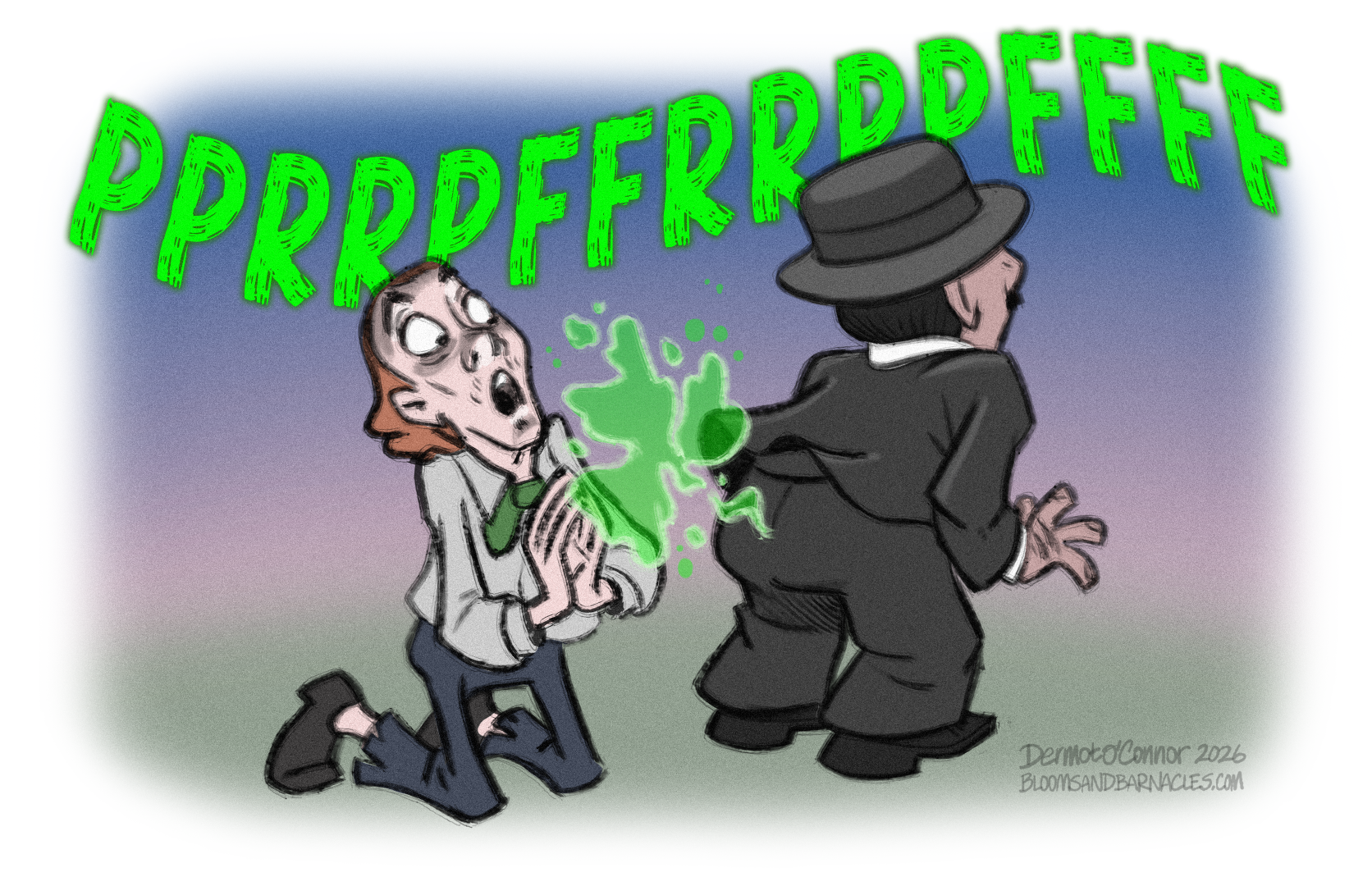
“Sirens” Songs: The Croppy Boy
This is part one of a two part series about select songs from the “Sirens” episode. You can read part one here. Ulysses’ eleventh episode, “Sirens,” closes with its second major musical set piece – “base barreltone” Ben Dollard’s rendition of the ballad, “The Croppy Boy.” Set during the 1798 Rebellion, “The Croppy Boy” tells…
-
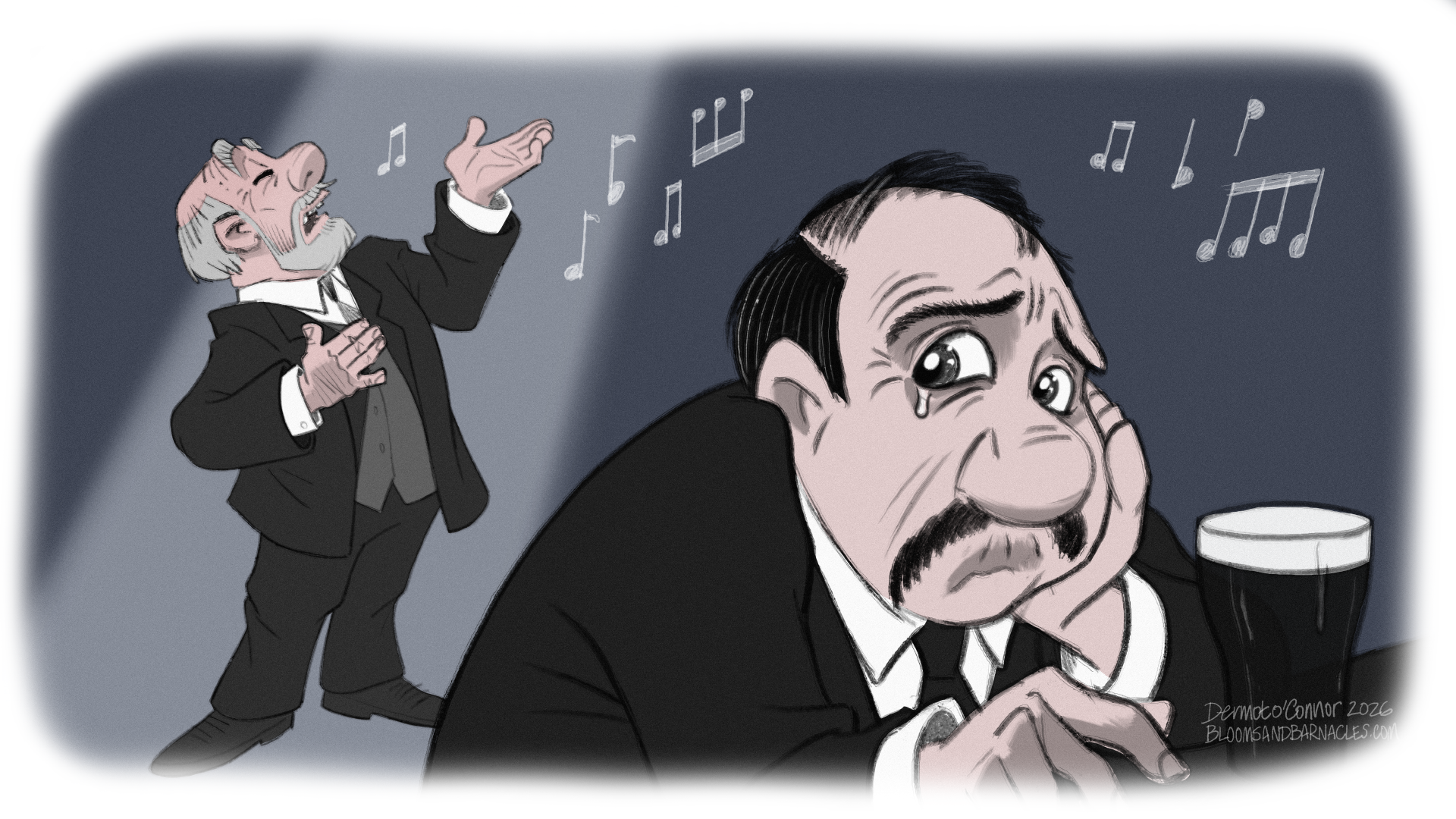
“Sirens” Songs: M’Appari
This is part one of a two part series about select songs from the “Sirens” episode. You can read part two here. Stuart Gilbert, in his book, Ulysses: A Study, explained that in the view of the average Dubliner, music was an “essentially Italian art.” Simon Dedalus recalls the music of Italian sailors to Ben…
-

Decoding Dedalus: Hamlet, ou le Absentminded Beggar
This is a post in a series called Decoding Dedalus where I take a passage of Ulysses and break it down line by line. The line below comes from “Scylla and Charybdis,” the ninth episode of Ulysses. It appears on page p. 186-187 in my copy (1990 Vintage International). We’ll be looking at the passage…
-
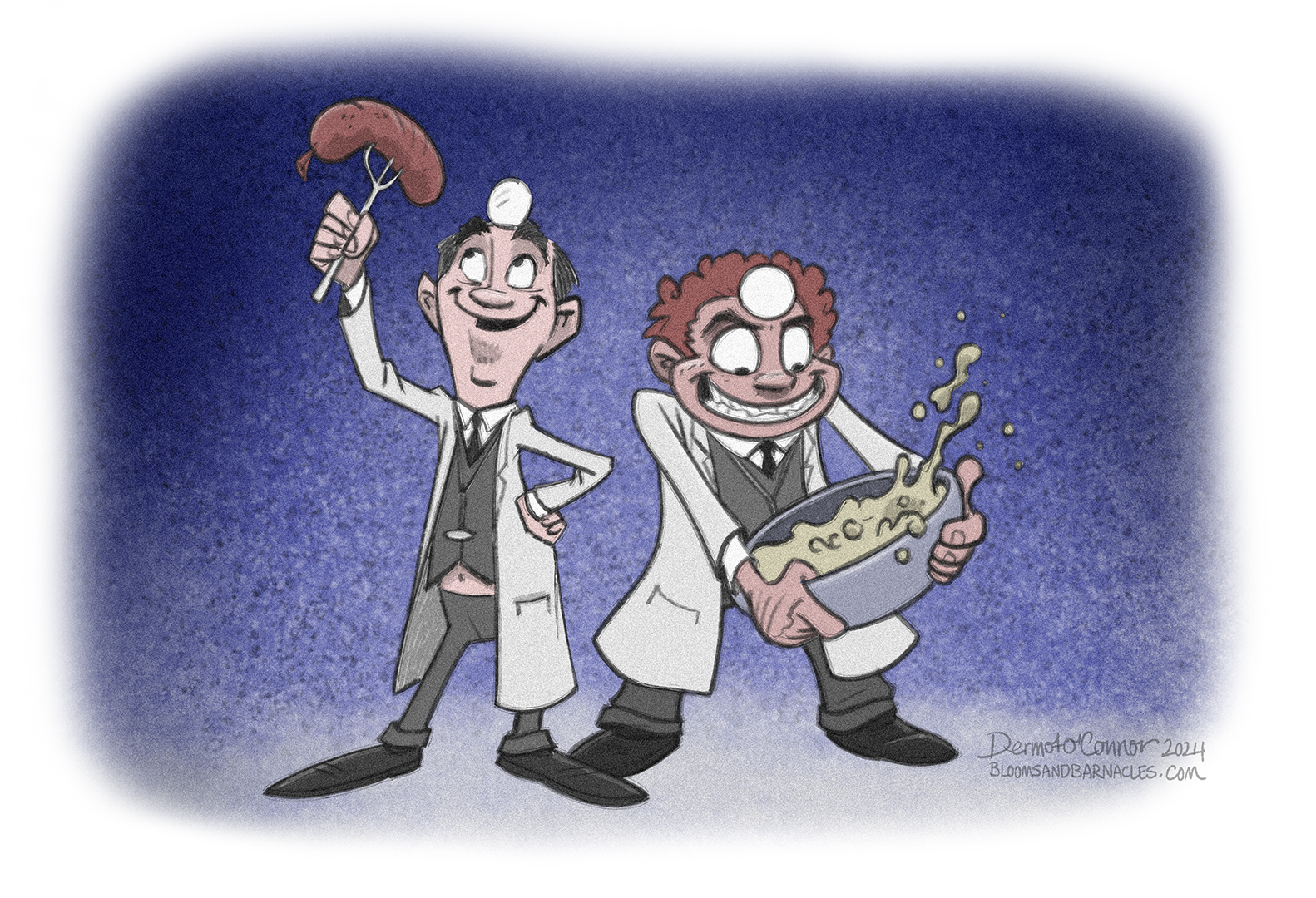
Poetry in Ulysses: Medical Dick and Medical Davy
In the opening scene of “Scylla and Charybdis,” Ulysses’ ninth episode, our Hero-Artist Stephen Dedalus finds himself in the librarian’s office of the National Library in a flurry of literary repartee. The other men in the scene, Lyster and John Eglinton, chat and banter, while Stephen tosses in a few snarky comments. Eglinton lobs back:…
-

The Women of Ulysses: Lizzie Twigg
As Leopold Bloom passes the offices of the Irish Times in “Lestrygonians”, Ulysses’ eighth episode, he can’t help but think about all the letters that might be waiting there for his alter ego, Henry Flower. However, his fantasy is disrupted by the memory of one “smart lady typist” who didn’t meet Henry’s exacting standards: To…
-
Ep. 60 – The Holy Office
They both lived in a Martello Tower, sure, but what else do James Joyce and Bono have in common? We take a short break from analyzing Ulysses to take a look at one of Joyce’s early poems – “The Holy Office.” If you love 100+ year old gossip, strap in! This one gets dishy. Topics…
-
Ep. 49 – O, My Dimber Wapping Dell
White thy fambles, Red thy gan! Wait, what? Find out what this phrase and much more means in this episode as we continue our discussion of “Proteus,” the third episode in James Joyce’s Ulysses. Topics covered in this show include: what Stephen means by “red Egyptians,” background on the Romani and Irish Travellers, Stephen’s class insecurity,…
-
Decoding Dedalus: Pale Vampire
Is the mouth south someway? Or the south a mouth? – Stephen Dedalus This is a post in a series called Decoding Dedalus where I take a passage of Ulysses and break it down line by line. The passage below comes from “Proteus,” the third episode of Ulysses. It appears on pages 47-48 in my…
-
Poetry in Ulysses: White Thy Fambles, Red Thy Gan
“[Rogues] have their several Wenches, and several places of meeting, where whatsoever they unlawfully obtain they spend, and whatsoever they spend is to satisfie their unsatisfied lust; wallowing in all manner of debauchery, converting the night into day and the day into night, damning and sinkling being four parts in five their discourse…” – Richard…